Blog

  • Avalon’s Coat of Arms

    Avalon’s Coat of Arms

    The Flag and Great Arms of Avalon

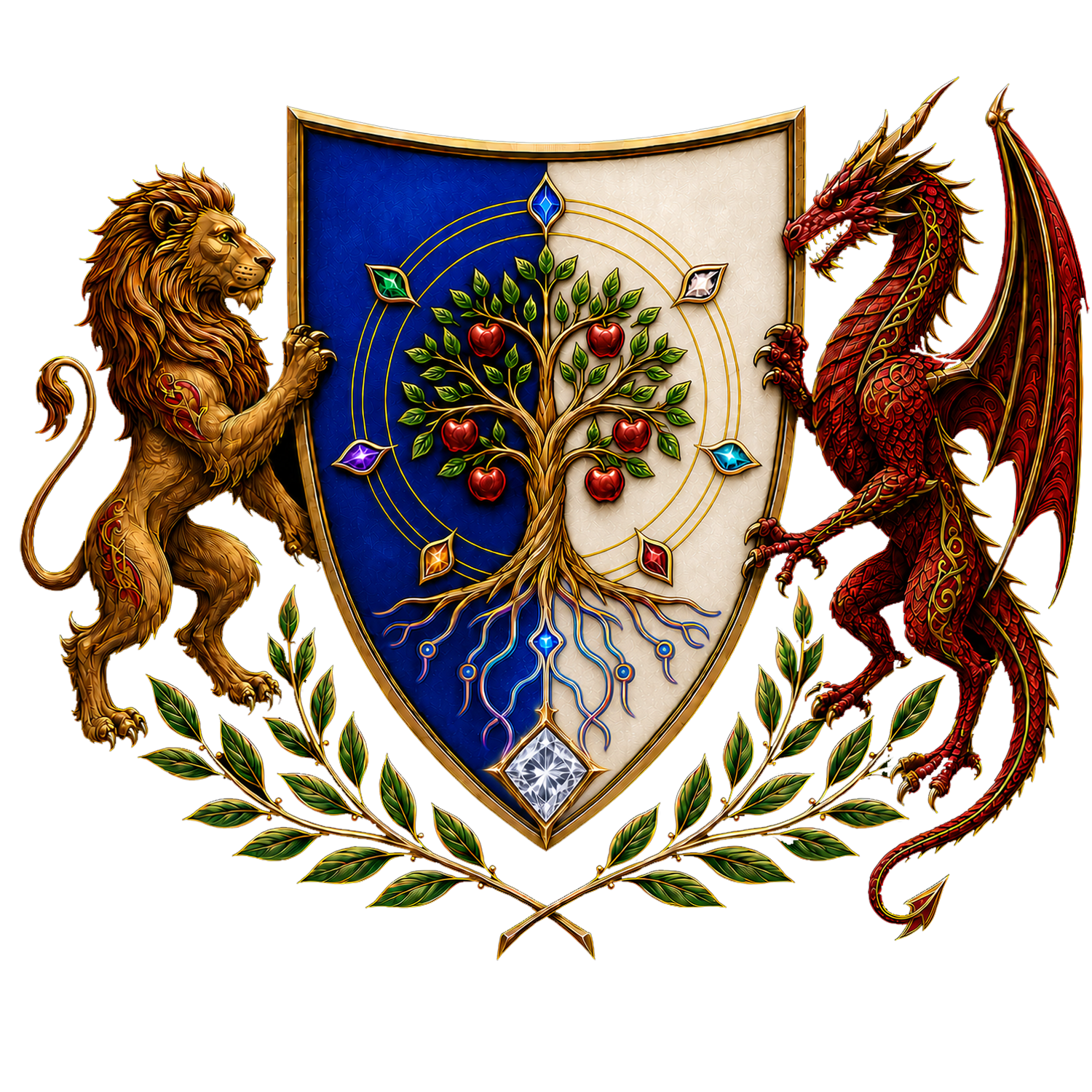
    The national flag of Avalon bears the Great Arms of Avalon, an emblem representing the island, its people, the seven Great Clans and the Pendragon Crown.

    To Avalonions, it is more than a symbol of nationality. It is a declaration of their shared identity and their belief that extraordinary magical power must always be tempered by knowledge, law and responsibility.

    The Blue and White Shield

    The shield is divided vertically into two enamelled fields: royal blue on the viewer’s left and warm white on the viewer’s right.

    The royal blue represents magic, scholarship and Avalon’s unique ability to manipulate the leylines. It also recalls the waters of the Lake of the Lady and the blue light commonly seen within an Avalonion’s mana-veins.

    The white represents clarity, justice, healing and disciplined purpose. It signifies Avalon’s belief that magic should be used openly and responsibly in the protection of civilisation.

    The two colours meet without a dividing border. This shows that power and responsibility cannot be separated: magic without restraint is dangerous, while law without the power to uphold it is meaningless.

    The Golden Border

    A polished golden border encloses the shield. Gold represents authority, continuity and honourable service.

    The border also symbolises containment. Just as it surrounds and holds the shield together, Avalon seeks to contain magical dangers before they can spread beyond control.

    The Apple Tree

    The golden apple tree is the ancient symbol of Avalon. The name Avalon means the Isle of Apples, making the tree a representation of the island itself.

    Its trunk represents the shared identity of the Avalonion people. Its spreading branches signify Avalon’s many communities, ancestral cultures and traditions. The fruit represents the knowledge, prosperity and magical achievements cultivated by the nation.

    The tree grows across both halves of the shield. This demonstrates that all Avalonions belong to one country regardless of clan, ancestry, profession or preferred form of magic.

    The Leyline Circle

    The golden circle surrounding the apple tree represents the ordered study and regulation of magic.

    It also depicts the worldwide system of leylines. These supernatural currents connect distant lands and magical places throughout the WarpedEarth. Avalonions are the only people capable of directly perceiving, influencing and redirecting them.

    The circle therefore represents both Avalon’s greatest source of power and the responsibility that accompanies it. A leyline has no true beginning or end, and an alteration made in one place may have consequences on the far side of the world.

    The Leyline Roots

    The roots of the apple tree descend through the shield as glowing currents of sapphire, cyan and violet.

    They show that Avalon’s civilisation is founded upon its understanding of the leylines. They also demonstrate that Avalon does not exist in isolation. The island is magically connected to the wider WarpedEarth, and its actions can affect peoples and nations far beyond its shores.

    The roots converge towards the Pendragon Diamond, showing that the Crown has been entrusted with protecting Avalon’s power and maintaining unity between its clans.

    The Seven Clan Gems

    Seven coloured gems are arranged around the leyline circle. Each represents one of Avalon’s seven Great Clans.

    The gems are different in colour but equal in size. This signifies that the clans possess different traditions and responsibilities while remaining equal parts of the Avalonion nation.

    Sapphire: Clan Caerwyn

    The sapphire gem represents Clan Caerwyn, the Leywrights.

    Its blue colour signifies knowledge, structured magic and the deliberate direction of leyline power. Caerwyn maintains Avalon’s ley-engines, transit systems, public wards and magical infrastructure.

    Ivory: Clan Luminar

    The ivory-white gem represents Clan Luminar, the Hands of Renewal.

    It symbolises healing, protection, education and the preservation of life. Luminar operates hospitals, sanctums, schools and services devoted to treating both physical and supernatural injuries.

    Turquoise: Clan Pelagos

    The turquoise gem represents Clan Pelagos, the Tidecallers.

    Its colour recalls water, changing skies and distant horizons. It signifies navigation, shipping, weather magic, exploration and Avalon’s connections with the wider world.

    Crimson: Clan Kharad’n

    The crimson gem represents Clan Kharad’n, the Crimson Ward.

    Its colour signifies blood, sacrifice, courage and binding oaths. The clan is closely associated with defence, magical policing, security and supernatural containment. Many Knights of the Round emerge from its households and academies.

    Amber: Clan Ferron

    The amber-gold gem represents Clan Ferron, the Rune-Forged.

    Its colour recalls the heat of the forge, molten metal and magical industry. Ferron specialises in Runecraft, Artificing, enchanted machinery, warded armour and the transformation of magical knowledge into practical creations.

    Amethyst: Clan Seanara

    The amethyst gem represents Clan Seanara, the Many Masks.

    Purple signifies perception, imagination and hidden knowledge. Seanara’s traditions encompass Glamour, divination, diplomacy, intelligence, communication and the arts.

    Emerald: Clan Nantara

    The emerald gem represents Clan Nantara, the Living Covenant.

    Green signifies life, growth, spirits and the relationship between people and the living world. Nantara is associated with Ancient Magic, magical ecology, agriculture, forestry and communion with sacred places and supernatural beings.

    The Pendragon Diamond

    A great colourless diamond rests at the bottom of the shield beneath the tree’s roots. It represents the Pendragon royal line.

    The diamond is larger than any clan gem, signifying the Crown’s responsibility for the whole of Avalon rather than any single clan. However, it is placed beneath the tree instead of above it. This shows that the Pendragon monarchy exists to support Avalon and its people, not to overshadow them.

    Its colourless brilliance symbolises clarity, impartial judgement and the obligation to recognise every clan and community without favour. The converging leyline roots represent the trust placed in the King to safeguard Avalon’s unity and magical inheritance.

    The Golden Lion

    The lion supporting the viewer’s left side of the shield represents Avalon’s Arthurian heritage, the authority of its King and the courage of the Knights of the Round.

    Its golden colouring signifies honour, lawful strength and service. The lion stands watchfully rather than attacking, representing power held under discipline and used only when duty demands it.

    The Crimson Dragon

    The crimson dragon supporting the viewer’s right side represents the Pendragon dynasty.

    The dragon symbolises majesty, magical power and the willingness to confront dangers that others cannot. Its crimson scales recall courage, sacrifice and the royal bloodline, while its golden markings represent power shaped and restrained by law.

    The dragon faces inward towards the shield, demonstrating that the Pendragon line exists in service to Avalon rather than solely for its own glory.

    The Lion and Dragon Together

    Together, the supporters represent two complementary forms of Avalonion authority.

    The lion embodies courage, earthly rule and disciplined martial strength. The dragon embodies supernatural power, ancient inheritance and the Pendragon Crown.

    Neither creature dominates the shield. Both support it. This signifies that Avalon itself—its people, laws and responsibilities—is greater than either military strength or royal authority alone.

    The Open Laurels

    Green laurel branches surround the lower portion of the shield. They represent honour, achievement, peace and service to the wider WarpedEarth.

    The laurels deliberately remain open at the top. Avalon does not claim that its work is complete or that its authority is beyond question. Honour cannot simply be inherited and retained forever; it must continually be earned through responsible action.

    The open laurels therefore signify vigilance, unfinished duty and Avalon’s continuing obligation to protect the world from magical misuse.

    The Meaning of the Whole

    Taken together, the Great Arms proclaim that Avalon is one nation formed from many peoples, clans and magical traditions.

    The apple tree represents the island and its people. The seven gems represent the clans. The roots and circle represent the leylines. The diamond represents the Pendragon Crown. The lion and dragon represent disciplined strength and royal responsibility, while the laurels represent honour that must continually be earned.

    The flag promises knowledge, healing and protection to those endangered by supernatural forces. It also serves as a warning: wherever magic becomes reckless, corrupt or destructive, Avalon possesses both the authority and the power to intervene.

    Its meaning is often summarised in Avalon’s national declaration:

    “Magic is our heritage. Duty is our law. The world is our responsibility.”
  • History – Avalon’s Kings

    History – Avalon’s Kings

    A Brief History of the Kings of Avalon

    For roughly twenty-five centuries, Avalon has been ruled by eleven kings of the Pendragon line. Each sovereign adopts the regnal name Arthur Pendragon, although histories often preserve a personal name or epithet to distinguish one reign from another.

    Avalonion longevity has allowed each Pendragon to reign for generations by ordinary human reckoning. Yet the Crown has never ruled alone. Every king has been advised, corrected and occasionally shouted at by Merlin, who has loved the Pendragons with all the tenderness—and none of the restraint—of an exceedingly difficult grandfather.


    Arturius Pendragon I — The Founder

    Arturius I came to Avalon during the second quarter of the Third Age, accompanied by Merlin and the companions who became the first Knights of the Round. He united the island’s scattered magical communities, established the Crown and placed the protection of Avalon above the ambitions of any household or school.

    His most enduring act was the proclamation now called the Kindred Right. Arturius ordered Avalon’s gates opened:

    “To all those whom hath ever been most kindred to us and our peoples.”

    Over time, this came to include people connected to Albion, Britain, Ireland, the British Empire and Commonwealth—and their counterparts across every known age and reality. It embraces communities throughout Africa, the Americas, the Caribbean, the Indian subcontinent, Canada, Australia, Aotearoa, the Pacific, Southeast Asia, the Middle East and former colonial ports. The United States is included through the Thirteen Colonies, subsequent British territories and their alternate-reality equivalents.

    Arturius therefore created more than a kingdom. He created an unfinished invitation. Merlin remembers him as courageous, stubborn and dangerously fond of making promises that later generations would have to administer.


    Arthur Pendragon II — The Lawgiver

    Arthur II inherited a kingdom whose ideals were considerably clearer than its institutions. He transformed his predecessor’s promises into law, establishing the first formal procedures for citizenship, clan membership and the arbitration of magical disputes.

    Under his rule, the Kindred Right ceased to be a royal gesture and became an enforceable entitlement. Applicants were required to demonstrate a genuine ancestral, cultural or historical connection, together with good character and standing. Birth alone was never considered sufficient: Avalon sought people willing to accept the responsibilities of its magic.

    Arthur II also clarified the relationship between the Crown, Merlin, the emerging magical academies and the Knights of the Round. His legal codes remain the foundation of Avalonion constitutional practice, although centuries of amendments have made them almost unreadable.

    He was patient, methodical and famously incapable of leaving a sentence unqualified. Merlin complained that Arthur II could turn “Close the western gate” into a forty-page statute. Nevertheless, his reign gave Avalon the stability that allowed it to survive the centuries ahead.


    Arthur Pendragon III — The Gatekeeper

    Arthur III ruled during the first great expansion of the Kindred Right. Avalon’s gates began receiving travellers and refugees from distant lands, vanished histories and realities in which Britain and its associated peoples had followed very different paths.

    He commissioned permanent gatehouses, reception halls and magical routes through which claimants could safely enter Avalon. He also founded the offices that examined Kindred claims—a task made increasingly difficult by contradictory histories and applicants whose countries had never existed in Avalon’s own reality.

    Arthur III insisted that the law be interpreted generously. A missing document, displaced people or destroyed homeland was not to invalidate a rightful claim. Testimony, cultural memory, magical resonance and family tradition could all serve as evidence.

    His reign established Avalon as a refuge, but it also attracted spies, criminals and hostile sorcerers. The King consequently expanded the Knights of the Round and strengthened the Crown’s ability to close individual gates without abandoning the greater principle of welcome. Merlin approved of the safeguards, while loudly insisting they should have been introduced several decades earlier.


    Arthur Pendragon IV — The Clanmaker

    By the reign of Arthur IV, Avalon’s population had become too diverse and widely distributed for its old household alliances to govern effectively. He reorganised these communities around magical education, public service and shared institutions, laying the foundations of the Seven Great Clans known today.

    Clan affiliation was not made a matter of ethnicity or magical blood. Membership could pass through family, but might also be gained through marriage, adoption, apprenticeship, sponsorship or distinguished service. This principle allowed every clan to become multiracial while preserving its own magical and industrial traditions.

    Arthur IV encouraged the clans to compete in invention, scholarship and service rather than ancestry. Leywrights, artificers, healers, wardens, navigators, seers and keepers of the living world all gained recognised places within the nation.

    The settlement was imperfect and later monarchs revised it extensively, but Arthur IV prevented Avalon from fracturing into hundreds of rival communities. He was a gifted negotiator who preferred banquets to battle and could settle a blood feud by rearranging the seating plan. Merlin called him “the only Pendragon ever to weaponise pudding.”


    Arthur Pendragon V — The Voyager King

    Arthur V looked beyond Avalon’s shores. During his reign, Pelagos rune-ships crossed supernatural seas, unstable planar currents and Typhon-warped waters to establish contact with distant peoples.

    His expeditions expanded Avalon’s knowledge of the WarpedEarth and reconnected the island with communities eligible under the Kindred Right. Claimants began arriving from the Caribbean, the Americas, Africa, India, the Pacific and Asian port settlements, as well as from alternate histories where familiar empires and nations had developed in unfamiliar ways.

    Arthur V strengthened Avalon’s relationship with the Council of Races and helped establish international recognition for certain Avalonion offices. The Knights of the Round and Merlin’s Druids gradually acquired authority to investigate and contain magical deviance beyond Avalon without seeking a separate mandate for each intervention.

    The King was adventurous, charming and considerably less cautious than his navigators. He disappeared on voyages three times, returning on one occasion with an unknown island, two diplomatic marriages and a sea serpent that refused to leave the harbour. Merlin’s surviving correspondence from the period consists largely of insults followed by increasingly worried requests for news.


    Arthur Pendragon VI — The Builder

    Arthur VI inherited an expanding population and an infrastructure no longer capable of supporting it. Working closely with Clan Caerwyn and Clan Ferron, he oversaw the construction of ley-engines, mana reservoirs, transit gates, floating districts, hospitals and layered public wards.

    Many of Avalon’s most celebrated cities assumed their present forms during his reign. Architecture became an expression of civic magic: streets carried ley-power, bridges shifted to meet travellers and public buildings could seal themselves against magical catastrophe.

    Arthur VI also ordered that vital magical services be available to citizens irrespective of clan. Healing, sanitation, education, transport and refuge were declared obligations of the nation rather than privileges of wealthy households.

    He was practical, physically imposing and happiest when inspecting a building site disguised as a labourer. This habit frequently inconvenienced his guards and once resulted in the King being fined by his own safety inspector.

    Merlin respected Arthur VI’s achievements but complained that he lacked imagination. Arthur replied that imagination was precisely what caused towers to fall over. Their argument continued for seventy-three years and survives in several engineering textbooks.


    Arthur Pendragon VII — The Crimson King

    Arthur VII’s reign was shaped by invasion, curse-plagues and organised magical deviance. He worked with Clan Kharad’n to strengthen Avalon’s defences and formalise the methods used to identify, contain and prosecute supernatural threats.

    The Crimson King expanded the Knights of the Round from a royal fellowship into an internationally respected body. Knights continued to answer to the King alone, but their recognised authority extended far beyond Avalon. Through the Council of Races, they could pursue magical threats across borders without waiting for the specific mandate required of a Prime-Magister.

    Arthur VII was stern but not cruel. He insisted that containment must protect the innocent and that dangerous magic was not proof of an evil magician. His laws distinguished between accident, corruption, coercion and deliberate harm—principles still followed by Avalonion wardens.

    Merlin and Arthur VII quarrelled constantly over the balance between security and freedom. Each accused the other of reckless extremism. In practice, their opposing instincts produced one of Avalon’s most effective and restrained systems of magical defence.


    Arthur Pendragon VIII — The Many-Voiced King

    Arthur VIII understood that Avalon’s greatest strength—its extraordinary diversity—could also make it almost impossible to govern. More than three hundred recognised peoples and territorial populations possessed some standing under the Kindred Right, many with incompatible histories, languages and expectations.

    He expanded the diplomatic, interpretive and communications institutions associated with Clan Seanara. Magical translation, dream-conferences and controlled glamour allowed distant communities to participate in Avalonion public life without surrendering their own identities.

    Arthur VIII also confirmed that citizenship did not require cultural assimilation. A person could become Avalonion while remaining American, Indian, Irish, Caribbean, Māori, African, Chinese, Malay, Canadian or any of the hundreds of other recognised identities embraced by the Kindred Right.

    His court was theatrical, argumentative and alive with envoys. The King possessed a remarkable ability to remember names and an unfortunate enjoyment of disguises. Merlin considered glamour beneath the dignity of the Crown until Arthur impersonated him during a state banquet. The resulting speech caused two diplomatic incidents and remains illegal to reproduce in four realities.


    Arthur Pendragon IX — The Restorer

    Arthur IX came to the throne after a succession of magical disasters had damaged Avalon’s lands, mana-veins and confidence. His reign concentrated upon healing rather than expansion.

    With Clan Luminar and Clan Nantara, he restored contaminated regions, repaired ruptured leylines and created refuges for people harmed by curses, supernatural disease and magical warfare. He also strengthened the legal protection of spirits, sacred places and sapient supernatural beings.

    During his reign, Avalon began reconsidering its treatment of the Slun. Although widespread emancipation had not yet been achieved, Arthur IX supported scholars who argued that apparent animal intelligence might conceal the capacity for sapience. Their work later helped make the uplift and citizenship of Avalonion Slun possible.

    Arthur IX was compassionate, private and uncomfortable with ceremony. He often visited hospitals without announcement and remembered individual patients decades later. Merlin criticised him for carrying the sufferings of the kingdom too personally, although those close to them observed that Merlin’s complaints were unusually gentle. Arthur IX is remembered as the king who taught Avalon that preservation could be as heroic as conquest.


    Arthur Pendragon X — The Bridgekeeper

    Arthur X ruled during a period of renewed contact between realities. The Kindred Right produced claims from worlds where Britain had fallen early, where the United States had remained divided colonies, where Commonwealth nations had become empires of their own and where entire recognised peoples survived only in memory.

    Rather than restrict the Right, Arthur X modernised it. He created better procedures for displaced claimants, alternate histories and people whose ancestry crossed several qualifying communities. Under his reforms, America received explicit recognition within the legal commentary surrounding the Right, ending centuries of bureaucratic argument over whether former colonies remained “kindred.”

    Arthur X also strengthened Avalon’s place within the Council of Races and confirmed the diplomatic immunity of Prime-Magisters, Knights of the Round and Merlin’s Druids. The latter two could act against magical deviance on their accepted expertise alone, while Prime-Magisters still required a defined mandate.

    Arthur X was scholarly, courteous and almost pathologically diplomatic. Merlin accused him of apologising to furniture after walking into it. His peaceful reign nevertheless prepared Avalon for the increasingly unstable world inherited by his successor.


    Arthur Pendragon XI — The Reluctant King

    The current King of Avalon is a towering, ruggedly handsome man with unruly black hair, slightly awkward manners and an appearance equally suited to a throne room or a stable yard. Arthur XI possesses great authority but little appetite for theatrical majesty. During long ceremonies he can appear magnificently regal and unmistakably bored at the same time.

    He rules a nation containing hundreds of kindred peoples, seven interdependent clans, newly enfranchised Avalonion Slun and obligations extending across the WarpedEarth. His Knights answer to him alone and exercise worldwide authority against magical deviance. He is trusted because he listens, acts decisively when required and rarely mistakes ceremony for wisdom.

    Formally, Arthur XI is sovereign. In practice, everyone knows that Merlin remains Avalon’s final authority. Merlin publicly corrects the King, complains about his decisions and berates him with the confidence of a grandfather who has already raised ten Pendragons. Arthur endures this with weary affection, knowing the fury conceals profound love.

    Queen Candice provides a quieter counterweight. Though she possesses less constitutional power, her judgement, diplomacy and ability to make both men behave have become indispensable to the present reign.

  • Avalonion Post

    Avalonion Post

    Masters of magic, ley lines, and forgotten knowledge.

  • Alphar-Post

    Alphar-Post

    Ancient fey rulers of grace, politics, and hidden power

  • Beast Lord Post

    Beast Lord Post

    Tied to the Animal kingdon, Born to hunt. Survive by tooth and claw.

  • The Books of TeGaLa

    The Books of TeGaLa

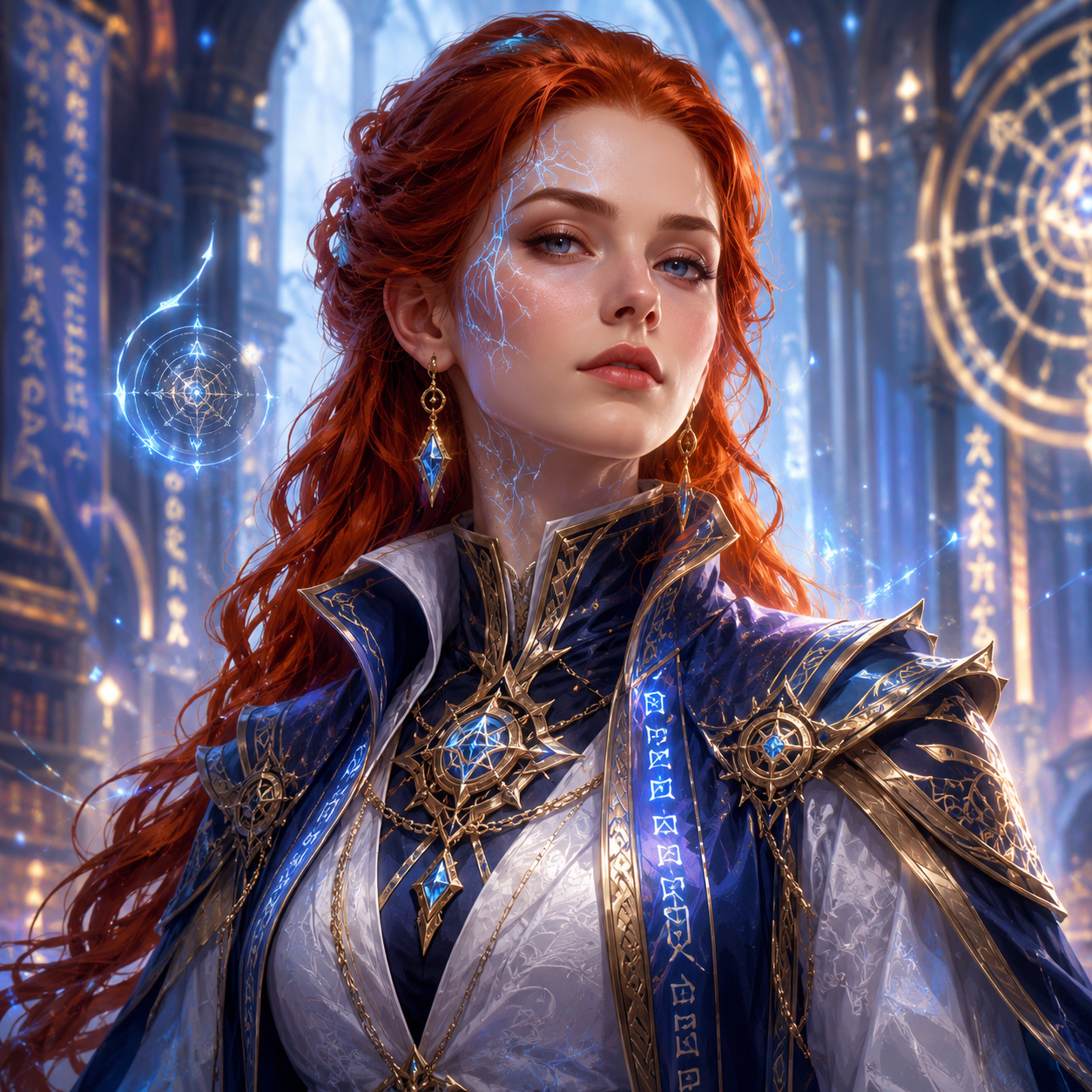
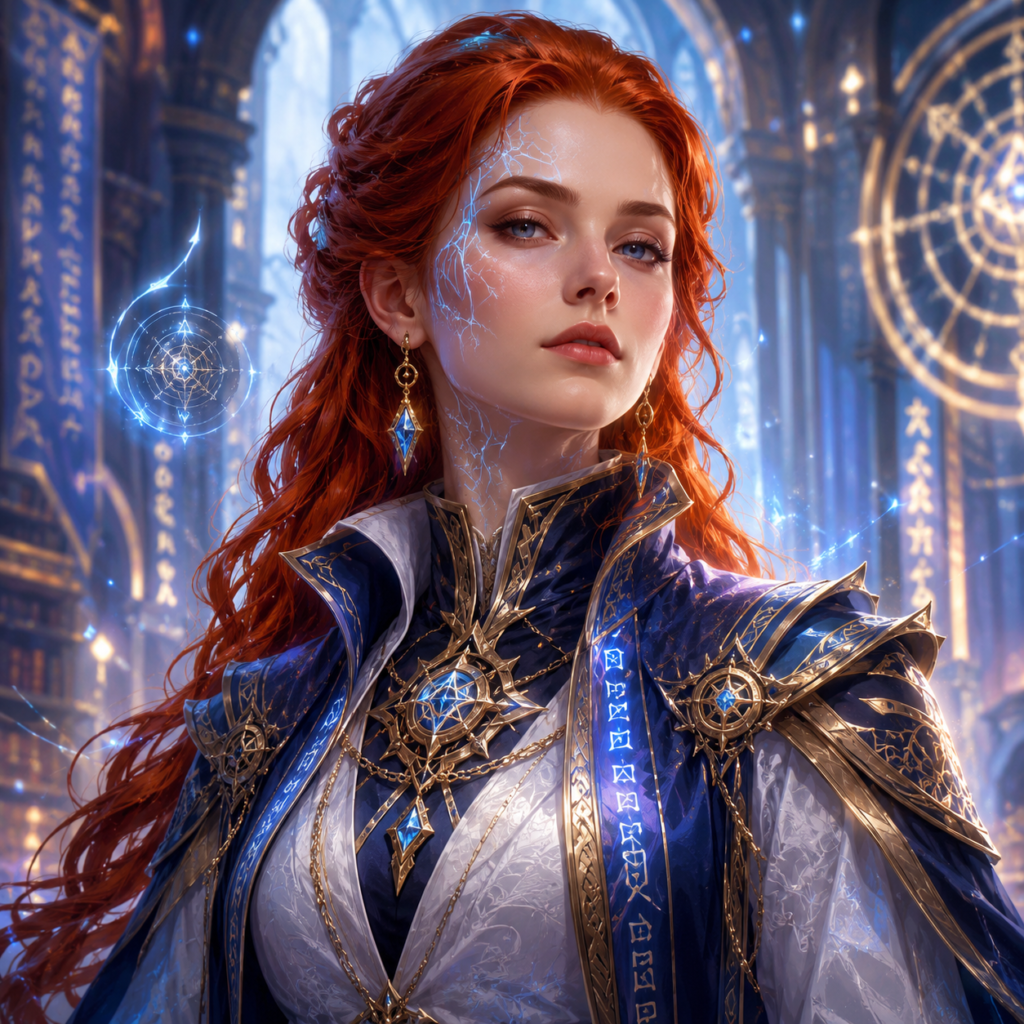
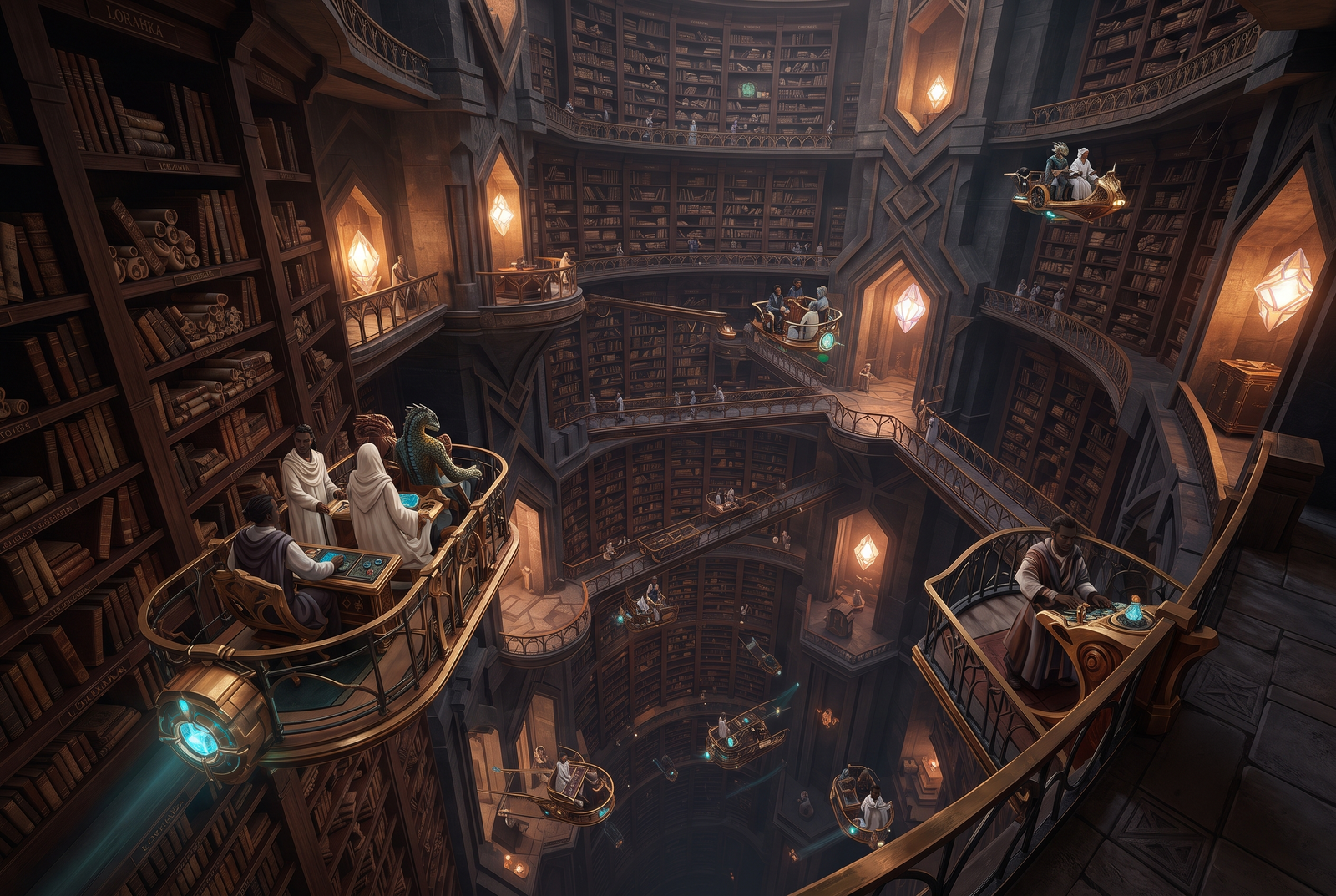
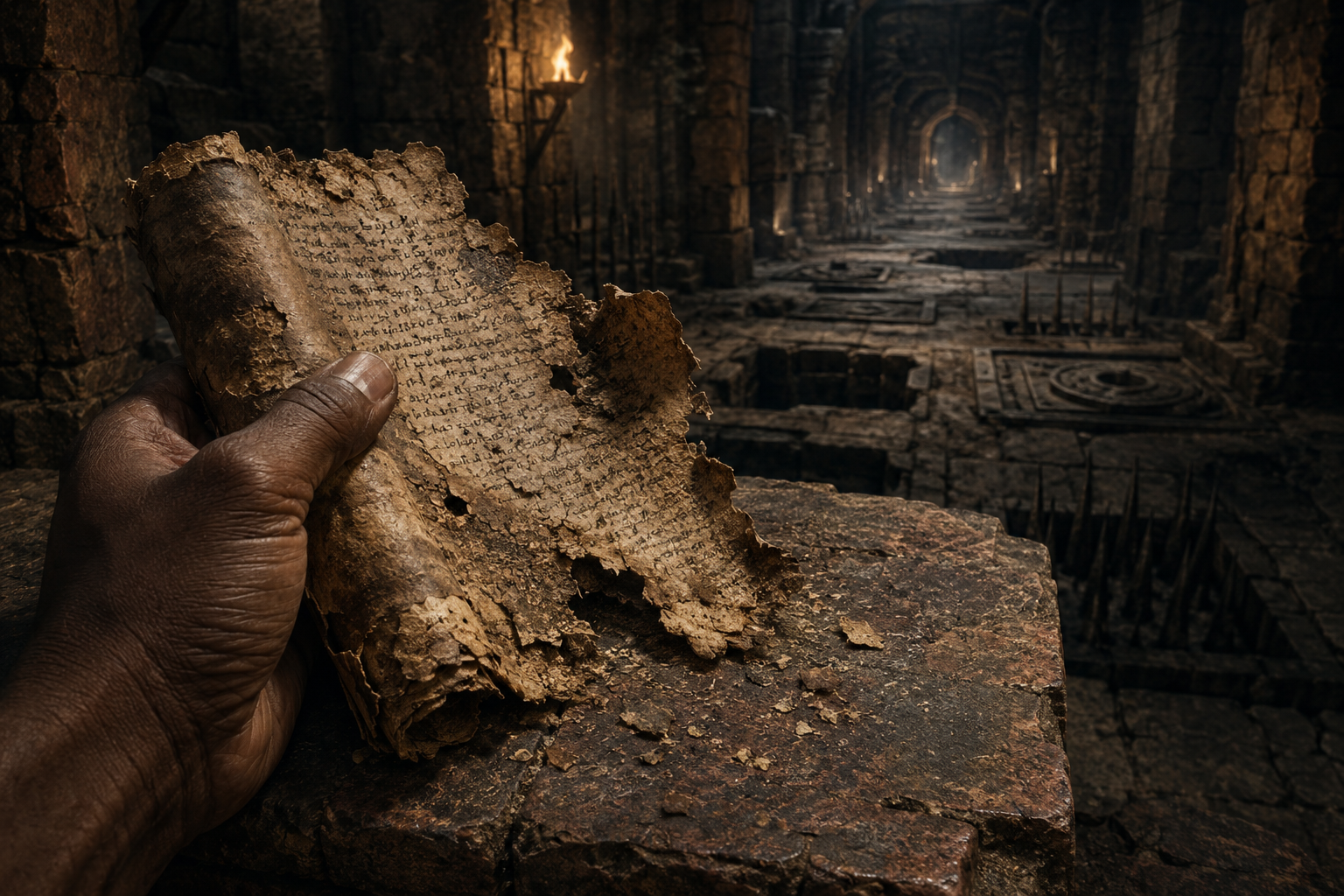
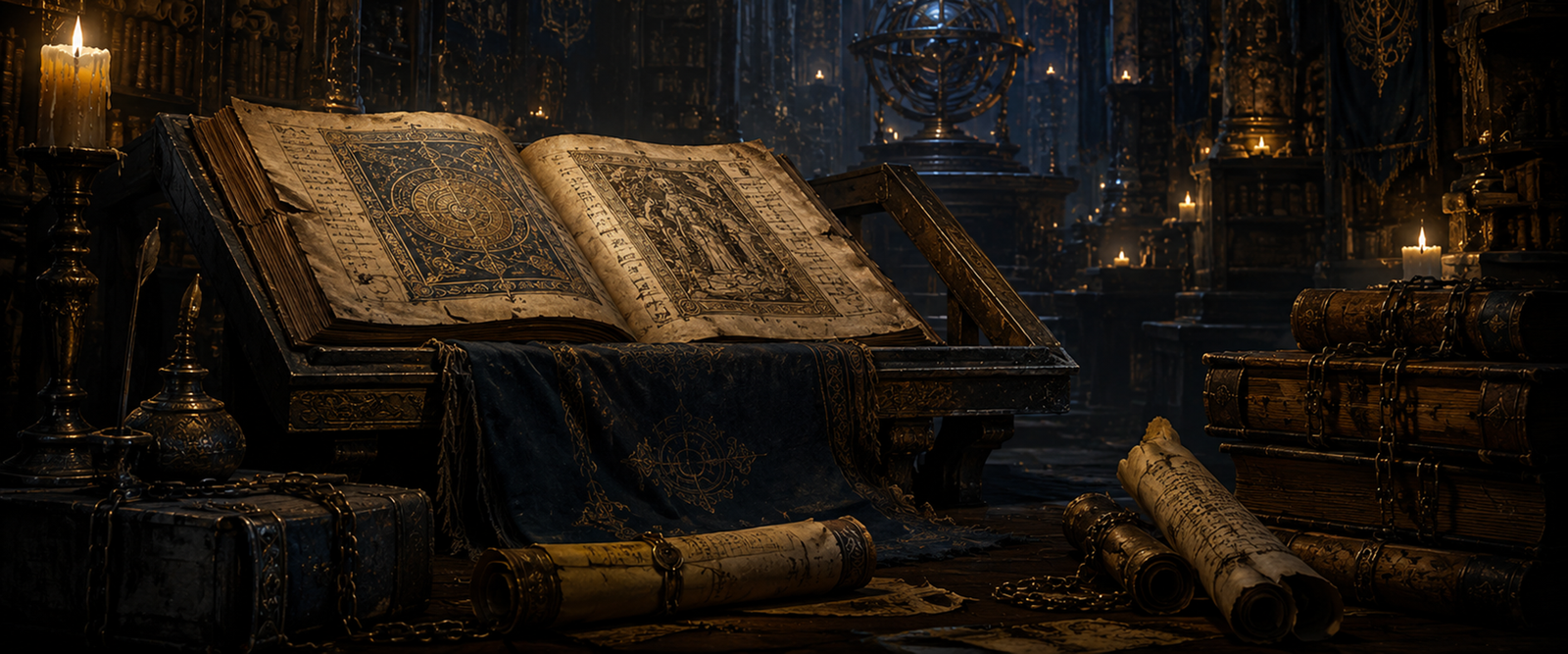
    Pictured Above: A small Camber of TeGaLa only 20 floors deep

    The Great Library, known to those who understand it as TeGaLa, is not merely a building of shelves, ladders, scholars, and dust. It is a deep and living archive, descending floor after floor into the earth, where whole galleries are given over to subjects most kingdoms barely know exist. Its collections include learned works on law, healing, history, mathematics, war, navigation, languages, beasts, spirits, gods, monsters, cities, bloodlines, dead empires, lost roads, forbidden rites, impossible geographies, and the strange workings of the planes.

    Not all books within TeGaLa are ordinary things. Some are rare beyond price. Some are supernatural, changing their words when read beneath certain moons. Some are cursed, bound in skin, ash, bone, shadow, or metals that bleed when opened. Some are prophetic, recording events that have not yet happened, or futures that may never come to pass. Others are so learned and exact that a single paragraph can ruin a false religion, expose a royal line, or make a lifetime of study look childish.

    Visitors do not need appointments. The Great Library will receive nobles, beggars, pilgrims, soldiers, inventors, priests, exiles, monsters, and liars, though it does not treat all questions equally. Books may be copied out by visitors, but this often takes time, patience, and permission. The payment TeGaLa values most is not gold, but testimony. It wants tales of life and people across the WarpedEarth and beyond. Those unable or unwilling to write may speak their memories into Recounting Stones.

    Yet the Great Library is not loved by all. Many of its records are not available to the public, and some are sealed so completely that even senior scholars only know they exist by absence. It is said TeGaLa holds records from the earliest days of the world, even from before it was called the WarpedEarth. Many resent this withholding, believing the Library hoards truths that could save nations, expose tyrants, or prevent disasters.

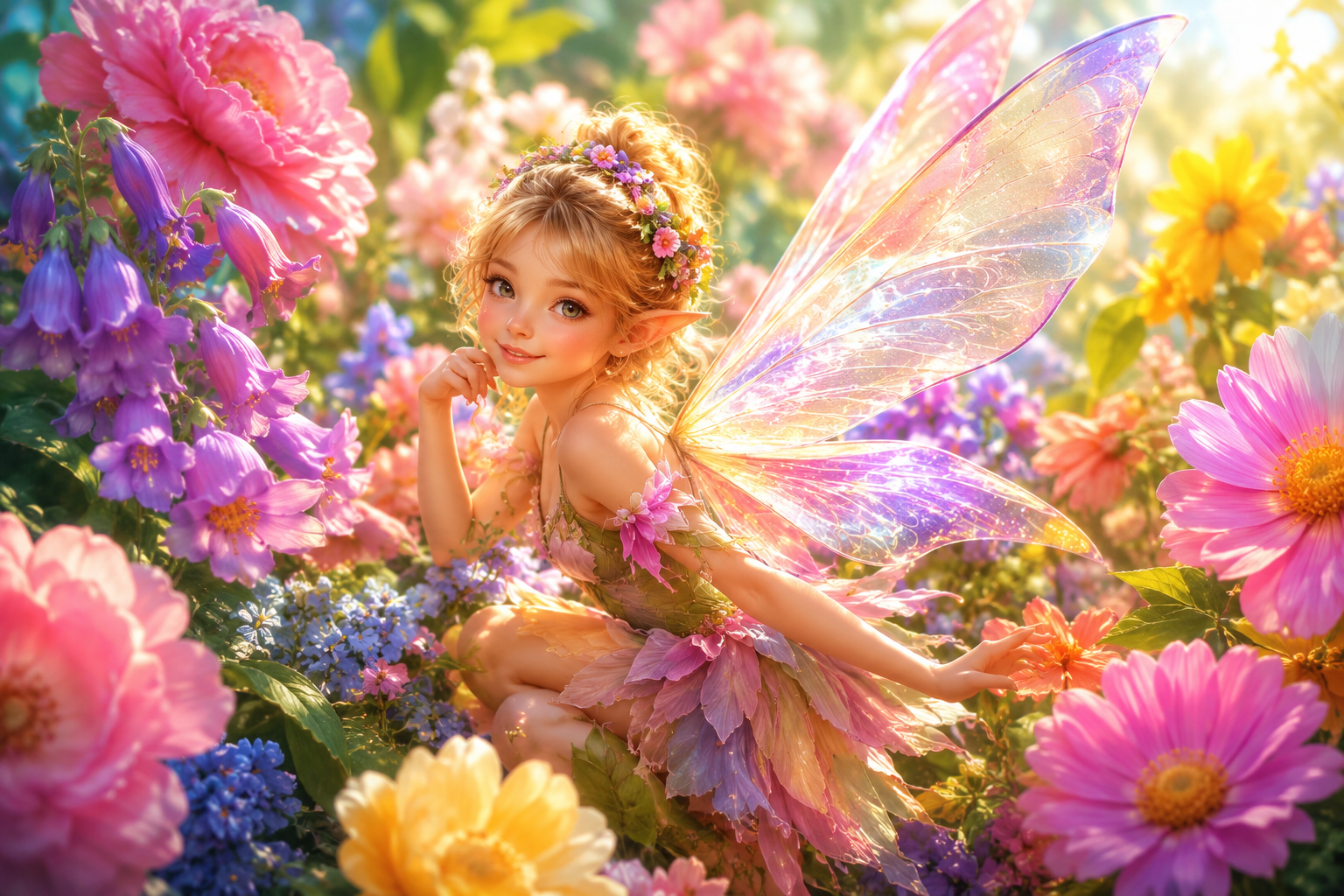
  • Pixie Post

    Pixie Post

  • The First Age Chronicles

    The First Age Chronicles

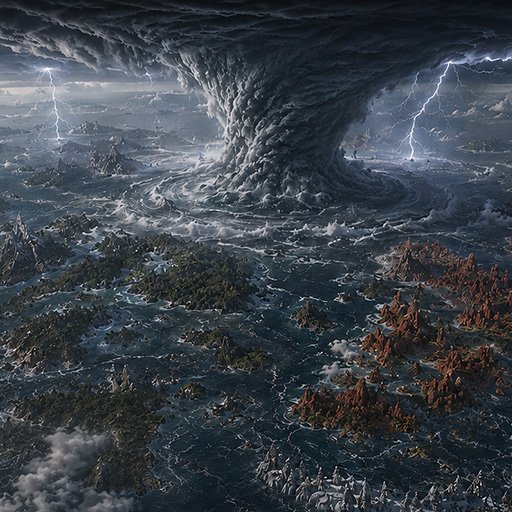
  • Typhon Troubles

    Typhon Troubles

    Typhon Troubles

  • New Logos

    New Logos

    I have been working on a number of logos for the site so here they are: